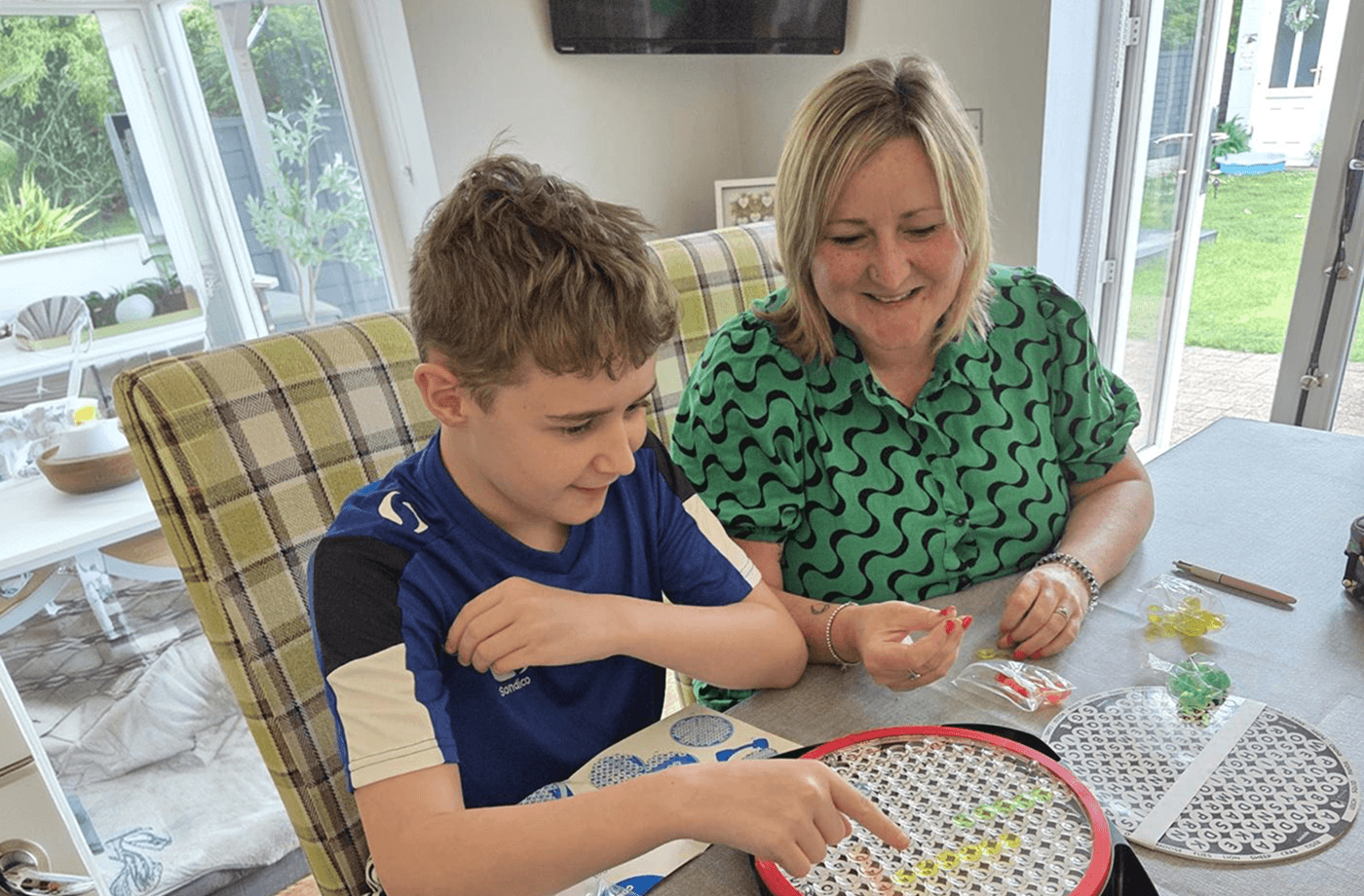
My specialist experience working with young people with SEN to develop trusting and meaningful relationships
Before any teaching can take place, I believe children must first feel safe, secure, and understood. My approach is always to build positive, trusting relationships before anything else. I take time to learn about each child — their interests, humour, sensitivities, communication style, strengths, and triggers — so they feel truly seen and valued.
If you are looking for a patient, empathic, and enthusiastic tutor who is willing to think outside the box to create a fun and engaging learning environment. This is at the heart of my practice. I bring creativity and humour into my sessions — whether through role play, singing (badly!), or even using my award-winning witches' cackle. These playful touches help children feel at ease and ready to learn.
I celebrate small wins, offer genuine praise, and use children's strengths and passions to spark learning. By doing so, I help them feel confident, independent, and proud of their achievements.
My experience working with young people with ASC
Supporting children with autism requires flexibility, patience, and a deep understanding of individual needs. Some children thrive in calm, quiet environments, while others focus best with sensory input such as listening to music through headphones. Recognising and adapting to these preferences is central to my approach.
I use structured supports such as visual timetables and clear routines to reduce anxiety, alongside incorporating sensory diets tailored to children's needs (tactile play, deep pressure, or sensory breaks). Movement breaks and brain breaks are built into sessions to help maintain focus.
To develop social skills, I use tools such as social stories, puppets, and emotion/social coaching. I also remain adaptable — whether a child learns best standing, jumping, or balancing on their head, the priority is always meaningful engagement and progress.
My experience working with young people with ADHD
When working with children with ADHD, I balance structure with flexibility. I use visual timetables, colour-coded resources, and step-by-step instructions to support organisation and task completion. At the same time, I build in movement opportunities, sensory breaks, and active learning tasks to help maintain focus and regulate energy.
I also support social and emotional development through coaching, storytelling, and positive reinforcement. My aim is to ensure that children with ADHD feel understood, capable, and empowered to succeed both academically and socially.
My experience working with young people with dyslexia
I use multi-sensory strategies to strengthen literacy skills — such as textured letters, colour-coded word cards, oral spelling games, and practical reading activities. Learning is broken into clear, manageable steps with frequent opportunities for reinforcement.
I make sure learning is fun and engaging, using creative methods that play to children's strengths. By focusing on confidence as well as skill-building, I help children with dyslexia see themselves as capable, resilient learners who can thrive.
My experience working with young people with anxiety
Children with anxiety need to feel safe and in control of their learning. I use a calm, nurturing approach that incorporates mindfulness, yoga, and structured emotional tools such as the “Zones of Regulation” and the “5 Point Scale.”
I find project-based learning especially effective: it gives children ownership, allows them to follow their interests, and reduces pressure by making learning feel like exploration rather than work. I love the mindset of building on children's passions — if a child is brilliant at football or drawing, let's use that strength to build confidence, rather than focusing only on the challenge. By following their lead, children grow in confidence, resilience, and self-belief.
My experience working with young people with sensory and/or auditory processing needs
I have extensive experience assessing sensory needs and creating personalised sensory diets, which may include deep pressure activities, tactile play, or sensory-rich breaks. These strategies help children remain regulated and ready to learn.
For children with auditory processing needs, I adapt instructions by breaking them into small, clear steps, using visuals alongside verbal explanations, and minimising distractions. By tailoring strategies to children's sensory profiles, I ensure they feel calm, supported, and engaged in learning.
My experience working with young people with speech and language needs
I have supported many children with speech and language difficulties, using approaches such as Cued Articulation, Language Through Colour, and PECS. I also draw on my foundational knowledge of Makaton and am currently learning British Sign Language to strengthen my skills further.
For selective mutism, I have used creative strategies such as voice recording on an iPad, which allowed one child to hear and share her own voice in a safe, non-threatening way — a moment I will never forget.
I am passionate about vocabulary development and weave it into learning through themed books, storytelling, word games, and songs. I also make use of real objects, visuals, and repetition to ensure language learning feels concrete and enjoyable.
My experience working with young people with SEMH/mental health needs
Supporting children with SEMH needs is at the heart of my practice. I prioritise emotional security, trust, and relationship-building, celebrating small wins and offering meaningful praise to build confidence.
I use resources such as Starving the Anxiety Gremlin, the Zones of Regulation, and the 5 Point Scale, alongside mindfulness, yoga, and calming strategies. I also make use of project-based learning, which allows children to follow their interests and feel empowered, boosting both engagement and resilience.
My experience working with young people with dyspraxia
My early years experience gave me strong foundations in supporting children with motor challenges. I focus on building both gross and fine motor skills through fun, engaging activities such as ribbon dancing, obstacle courses, Dough Disco, Lego, cooking, and gardening.
I have worked closely with occupational therapists to ensure that children develop core motor skills before handwriting. I also use strategies such as breaking tasks into small steps, using colour coding, and embedding visual timetables to support organisation and confidence.
My experience working with young people with dysgraphia
Supporting children with dysgraphia requires patience and adaptability. I scaffold writing tasks into small, manageable steps and make use of adapted writing tools. I also encourage alternative ways of recording ideas — such as typing, drawing, or voice-to-text — so children can express themselves without becoming frustrated.
By focusing on the content of ideas rather than just handwriting, I help children stay motivated and confident while still developing practical writing skills over time.
My experience teaching Primary English and maths
Over nine years of teaching, I have supported children across all primary age groups. In English, I believe writing should be playful, creative, and meaningful. I have used approaches such as “wild pens,” invisible letters, pavement chalk, and even secret-agent-style writing for MI5 — all to inspire a love of writing. I adapt my teaching to meet individual needs, including using alternative programmes like CLICKR for children who benefit from a different approach.
In maths, I go beyond rote learning and encourage problem-solving through manipulatives such as Numicon, bead strings, and base ten blocks. I also make maths meaningful by embedding it in real-world projects — for example, building a birdhouse with a Key Stage 2 pupil, which involved measurement, quantity calculation, and problem solving. These experiences make maths relevant, practical, and engaging.
My experience developing confidence and self-esteem
I strongly believe that all children should feel capable and proud of themselves. I nurture self-esteem by recognising effort as much as achievement, setting children up for success, and celebrating every step forward.
Through praise, encouragement, and carefully structured challenges, I help children build resilience and confidence that extends beyond the classroom.
My specialist experience providing engaging sessions to inspire a love of learning
Learning should be practical, exciting, and meaningful. I often teach outdoors, using natural resources and following children's natural curiosity about the world. I believe in child-centred pedagogy: giving children a voice in what and how they learn, so they feel empowered and motivated.
Project-based learning is a cornerstone of my approach. By designing sessions around children's passions and interests, I ensure learning feels like discovery and exploration, rather than pressure. Whether through storytelling, outdoor learning, or imaginative role play, I aim to nurture curiosity and inspire a lifelong love of learning.
My skills and experience supporting young people to develop their independence
I have a strong understanding of child development and am confident in recognising barriers to learning. My experience working closely with occupational therapists, physiotherapists, speech and language therapists, play therapists, and educational psychologists has given me a vast bank of strategies and interventions to draw on when challenges arise.
I focus on gradually building independence through scaffolding, structured routines, and visual supports. I teach problem-solving, encourage self-reflection, and provide opportunities for children to take ownership of their learning. My aim is always to nurture independence, resilience, and a sense of self-determination that children carry with them beyond the classroom.